


 Podcast
 Sign Up
 Virtual Learning
 Online CEUs
 Streaming Video Library
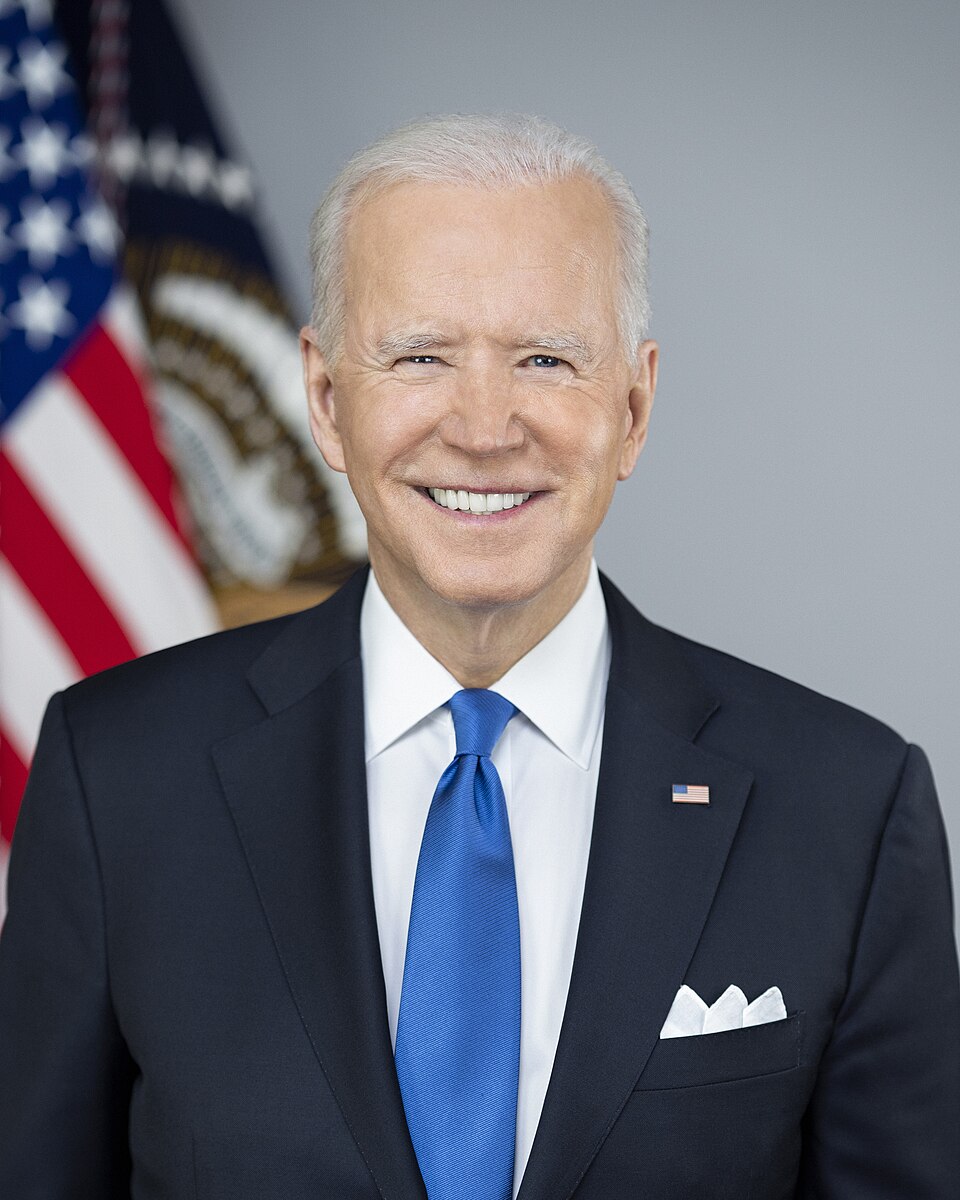 Former U.S. President Joe Biden is widely known to have struggled with stuttering early in his life. However, he is not the only president who faced this challenge. Gerald R. Ford, the 38th president, also stuttered, and there is significant evidence suggesting that Thomas Jefferson, the 3rd president, did as well.
Joe Biden’s public statements about his past stuttering have been numerous and are well known. While serving in the U.S. Senate in the mid-1980’s, he first began to publicly talk about childhood experiences with stuttering. In fact, a 1986 editorial in the Washington Post noted that Biden had publicly discussed his childhood stutter and the hardships he endured speaking publicly in school.
During his 1988 campaign for the Democratic presidential nomination, he frequently discussed his past struggles with stuttering. This topic would become a recurring theme in his subsequent national campaigns. He told how he practiced his speech by reading poetry alone in front of a mirror, as well as practicing cadences.
During his successful 2020 run for president, he invoked the topic of stuttering countless times, of which one of the most memorable was meeting 13-year-old Brayden Harrington on the campaign trail in New Hampshire. He gave Brayden a hug and said, “Don’t let this define you, you’re smart as hell.” Later, Brayden Harrington was invited to address the Democratic National Convention that summer.
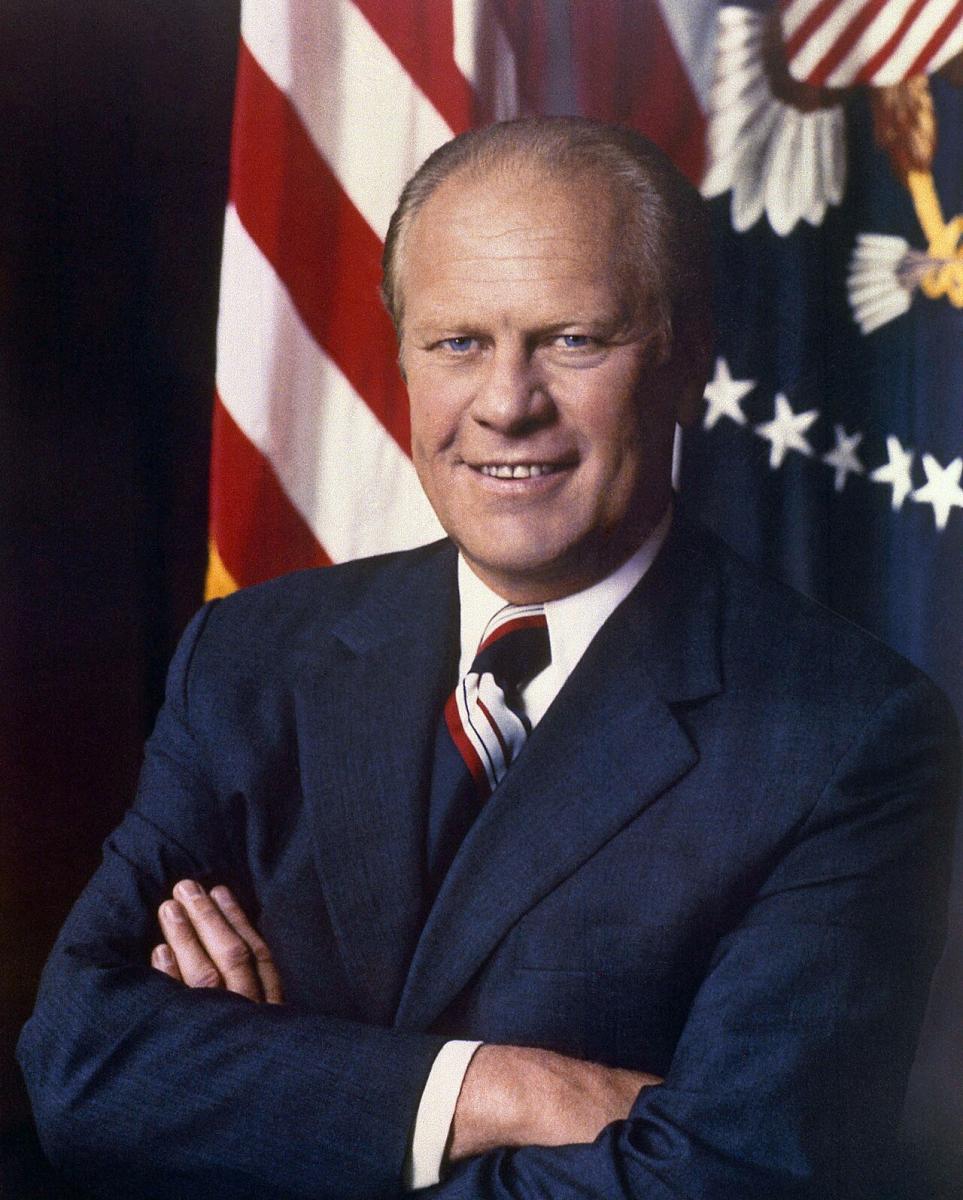 Gerald R. Ford, the 38th President of the United States, was born Leslie Lynch King, Jr., on July 14, 1913, in Omaha, Nebraska, he was raised exclusively in Grand Rapids, Michigan. He would take the name of his mother’s second husband, Gerald R. Ford. He attended the University of Michigan where he played for the school’s football team and afterwards went on to graduate from Yale Law School.
After service in the U.S. Naval Reserve from 1942-1946, Ford began a political career in 1949 as the U.S. representative from Michigan’s 5th congressional district, a seat he held for nearly 25 years, the final nine of them as House minority leader. In December 1973, two months after Spiro Agnew’s resignation, Ford became the first person appointed to the vice presidency under the terms of the 25th Amendment. After the subsequent resignation of President Nixon on August 9, 1974, Ford assumed the presidency.
Gerald Ruldolph Ford Jr. served as president from 1974-1977. He was defeated for election to a full term by Jimmy Carter in 1976 in a close election. Ford is the only person to become U.S. president without winning an election for president or vice president. He died in 2006 at age 93.
President Ford’s stuttering is not as well documented as that of President Biden, as he did not refer to it in public or on the campaign trail. An April 20, 2023, The Wall Street Journal book review An Ordinary Man Review: Underestimating Gerald Ford brought to light that President Gerald Ford struggled with stuttering in elementary school and junior high.
The 2023 biography An Ordinary Man: The Surprising Life and Historic Presidency of Gerald R. Ford by Richard Norton Smith discussed how President Ford’s childhood was affected by stuttering. Smith summarized Ford’s issues with stuttering and when describing his childhood, wrote that it was “compounded by a severe case of stuttering that plagued the boy for years.”
Some years prior to the publication of Smith’s book, the topic received coverage in a December 28, 2006, article in The Washington Post, “The Homegrown Decency of Gerald Ford,” which gave an interesting synopsis of how he dealt with his debilitating stutter, “Young Jerry also had a stuttering problem. By the time he reached high school, however, the stutter was gone, as if he had miraculously laid it in his hand and flung it across a nearby lake.”
Sources cite that the young Ford practiced speech exercises and forced himself to participate in school debates where he gained confidence speaking in front of people, which would set the foundation for his future political career and subsequent presidency.
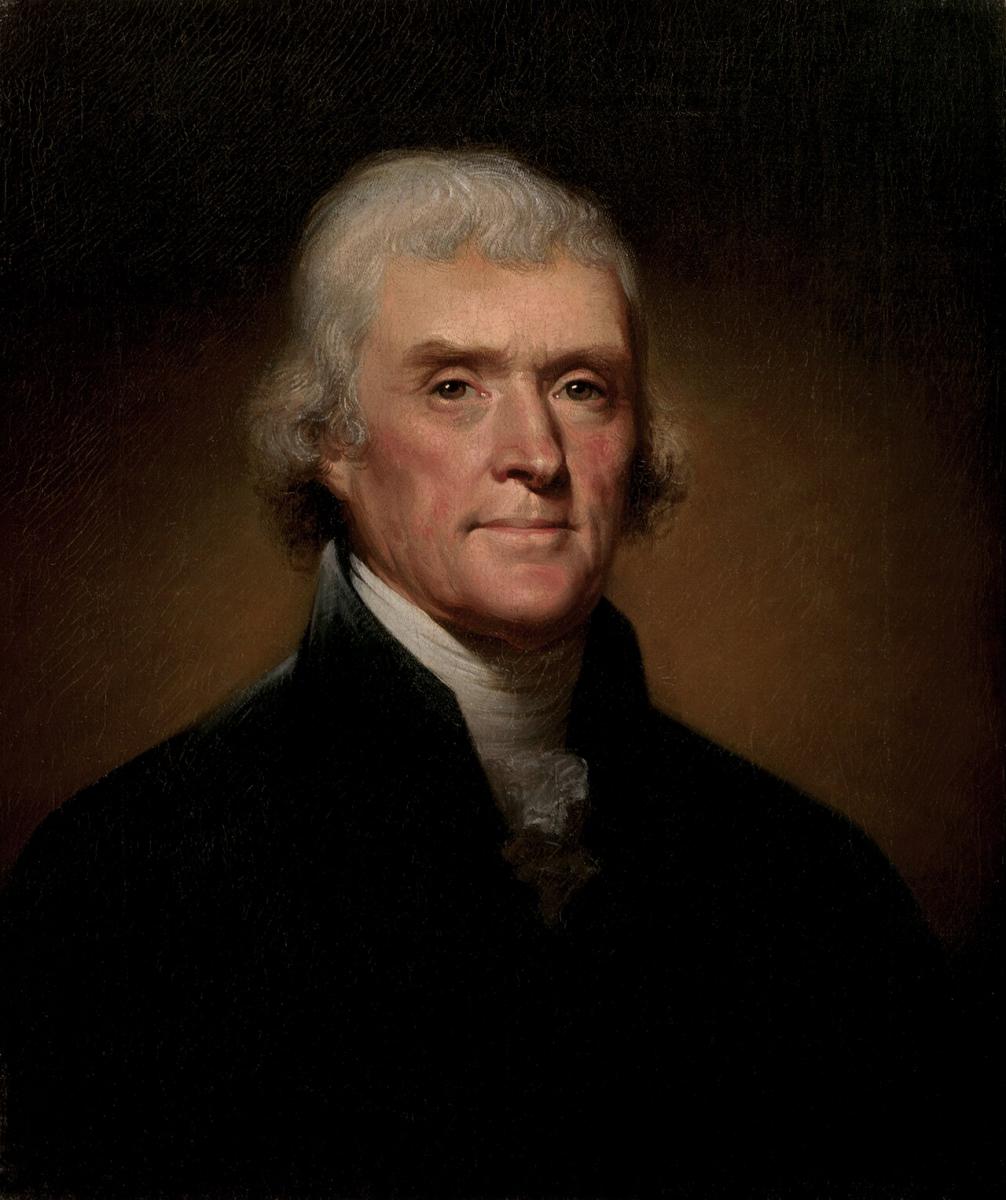 The internet abounds with articles that cite Jefferson’s speech impediments of a partial stutter and a slight lisp, as well as his name on lists of famous people who stutter. In addition, he was known to have a high-pitched, weak voice. All of these factors created a lifelong aversion to public speaking. The third president of the United States, who served from 1801-1809, broke tradition by submitting his annual messages to Congress in writing rather than delivering them in person.
The 2010 biography Thomas Jefferson: An Intimate History by Fawn M. Brodie addressed Jefferson’s poor communication skills and how he stumbled over his words, “Jefferson himself was never eloquent in speechmaking, only in writing, in committees, and in quiet conversation. For some reason, perhaps having to do with a fear and tension that began in his childhood, when he began to speak in public his voice ‘sank into his throat’ and became ‘guttural and inarticulate’. Surprisingly, in view of his great popularity as president, he gave almost no public speeches, save for his inaugural addresses, which he read in a low mumble that the audience barely heard.”
Thomas Jefferson: A Life by Thomas S. Randall, a 2014, further expounds on his speaking difficulties, “He loved conversation, but he couldn’t make a speech; mumbling, he became tongue-tied when he made extemporaneous remarks. Perhaps as one result, Jefferson lionized Indians, ‘a people with whom, in the early part of my life, I was very familiar,’ who naturally excelled at both conversation and public speaking. In Notes on the State of Virginia, he praised and quoted the rhetoric of Indians.’”
Thomas Jefferson’s stutter was apparently not severe and could not be documented considering the lack of media during the years of his presidency, but it was a factor in both his life and his presidency.
While to some degree the stuttering remains the only disability that is mocked and ridiculed, it is important that the public knows that there have been three presidents of the United States who have struggled with stuttering, especially as this fact can give inspiration to young people who are dealing with the trials and tribulations of stuttering on a daily basis.
From the Spring 2026 Magazine