


 Podcast
 Sign Up
 Virtual Learning
 Online CEUs
 Streaming Video Library
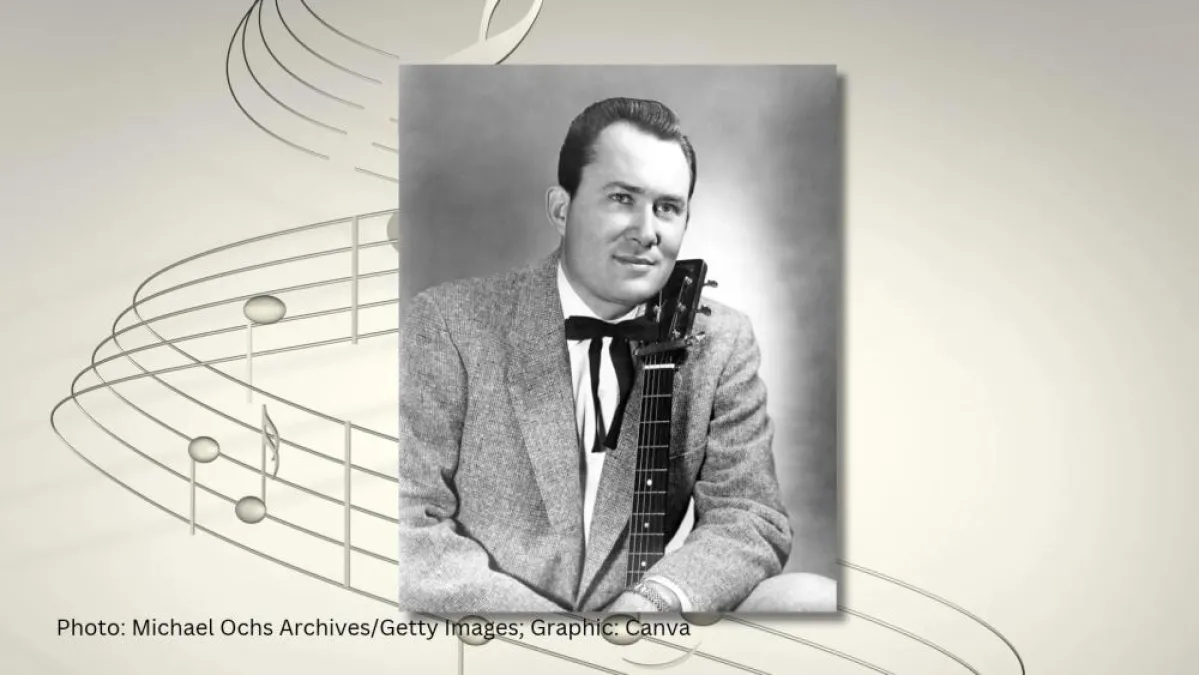
The stuttering community is well aware of the fascinating life of country music legend and former Stuttering Foundation national spokesman Mel Tillis. But Tillis was not the only country music star who stuttered. Don Gibson carved out his own remarkable career as both a recording artist and songwriter.
Donald Eugene Gibson was born on April 3, 1928, in Shelby, North Carolina, into difficult circumstances. He was the youngest of five children born to sharecropper parents who were struggling economically during the Depression. He dropped out of school in the second grade to work in the fields with his family.
Turning to music in his teens, his first band, Sons of the Soil, made recordings for Mercury Records in 1949. His big breakthrough came as a solo artist after he moved to Nashville in 1957 to work with famed producer Chet Atkins. With Atkins, he recorded his self-penned songs “Oh Lonesome Me” and “I Can’t Stop Loving You” for the RCA Victor label. The result was a double-sided hit on both the country chart and the Billboard Hot 100. Following this success, his song “Blue Blue Day,” which was recorded prior to “Oh Lonesome Me,” was re-released and topped the country charts. Many other country hits followed, including “Look Who’s Blue” (1958), “Don’t Tell Me Your Troubles” (1959), “Sea of Heartbreak” (1961), “Lonesome No. 1,” “I Can Mend Your Broken Heart” (1962), and “Woman (Sensuous Woman),” which topped the country charts in 1972.
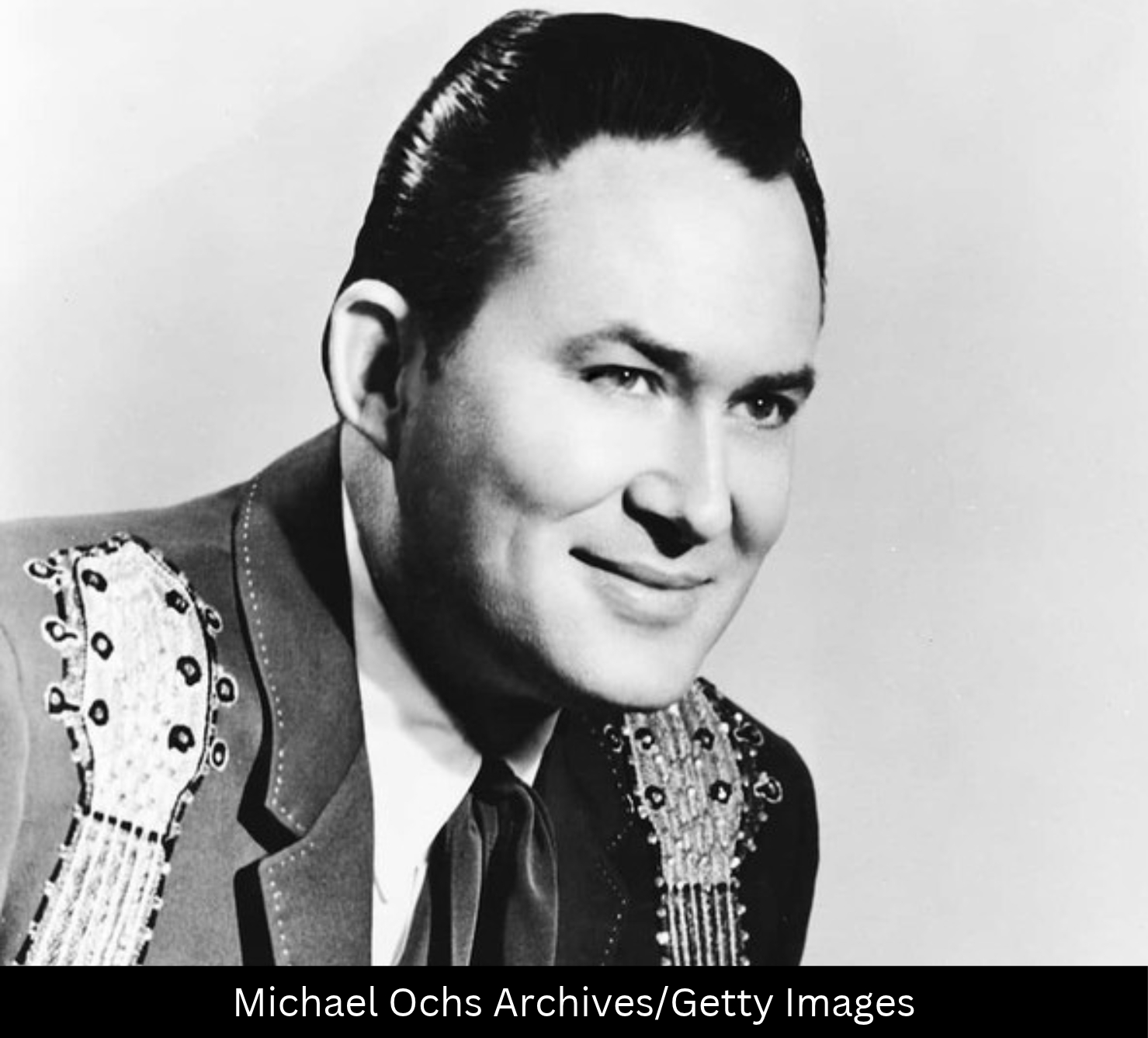 Gibson was also known for recording duets with well-known female country artists. In the late 1960s and early 1970s, he recorded several highly acclaimed duets with Dottie West, the most successful of which was 1969’s “Rings of Gold,” a number-two country hit. The following year, the duo had a top-10 country hit with “There’s a Story Goin’ Round.”
West and Gibson also released a best-selling album together in 1969 titled “Dottie and Don.” In the mid-1970s, Gibson teamed up with Sue Thompson for several duets that made the charts, including “I Think They Call It Love,” “Good Old Fashioned Country Love,” and “Oh, How Love Changes.”
Many of Gibson’s songs have been covered by other artists. For instance, his song “I Can’t Stop Loving You” has been recorded by more than 700 artists, with Ray Charles’ 1962 rendition among the most famous. Roy Orbison was such a fan of Gibson’s songs that in 1967 he recorded an album of them titled Roy Orbison Sings Don Gibson. Gibson’s wide appeal was also evident in the rock world when Neil Young recorded “Oh Lonesome Me” on his acclaimed 1970 album After the Gold Rush, marking one of the rare times in Young’s career that he recorded a song he did not write himself.
Gibson was inducted into the Nashville Songwriters Hall of Fame in 1973 and the Country Music Hall of Fame in 2001. He was posthumously inducted into the North Carolina Music Hall of Fame in 2010. He died of natural causes on November 17, 2003, at the age of 75.
Compared with some other famous people who stutter, there is relatively little documentation about Gibson’s stuttering. The Nashville Songwriters Hall of Fame website states, “A shy kid with a stuttering problem, he found escape in the local pool hall and to listening to country music on the radio. At 14, Don bought a cheap guitar and started learning songs by his heroes Red Foley and Tennessee Ernie Ford.”
AllMusic describes his speech this way: “He was hopelessly shy throughout his life, defensive about his appearance – to the point where, as a boy or a young man, he would avoid walking into places that were too crowded – and also about his voice, which was characterized by a pronounced stutter while he was growing up.”
A write-up of a podcast on Amazon Music Japan titled “Don Gibson: The Stuttering Boy Who Wrote Country Gold” similarly notes, “Don Gibson dropped out of school in the second grade because a paralyzing stutter left him unable to speak. That silenced North Carolina kid grew up to become country music’s ‘sad poet,’ writing some of the most coveted songs in American music history and helping define the Nashville Sound era of the 1950s.”
Don Gibson became a country music star whose stuttering did not keep him from pursuing his dreams. His songs are still heard and celebrated decades later, and his life and career hold a special place in the history of famous people who stutter.
From the Fall 2026 Magazine